
 Coaxial Cable Assembly
 Microwave Test Cable
 Coaxial RF Connector
 Coaxial RF Adapter
 Coaxial RF Termination
 Coaxial RF Test Probe
 Coaxial RF Attenuator
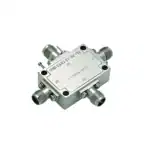 RF Switches
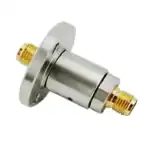 Rotary Joints
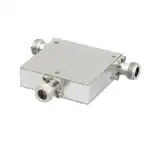 RF Circulators
 Coaxial RF Power Dividers
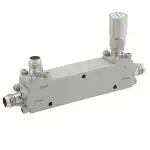 RF Couplers
 RF Filters
Introduction
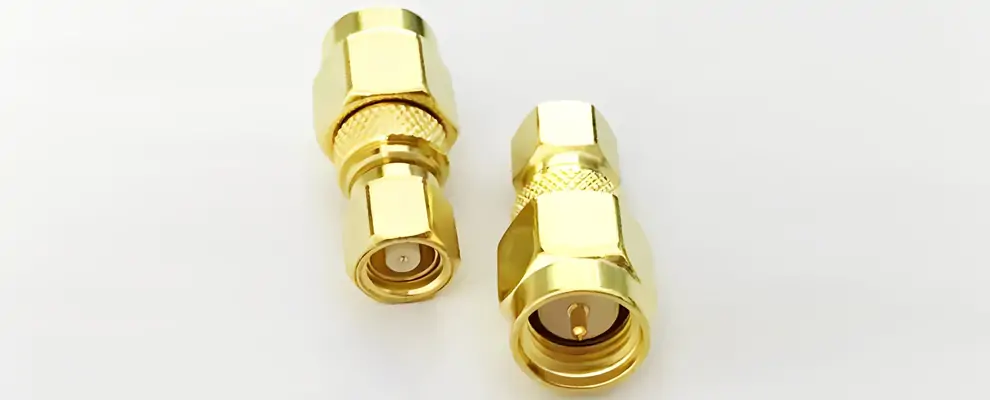
When you bridge legacy SMC interfaces with modern SMA systems in RF and microwave designs, a reliable SMA to SMC adapter becomes the small but essential link that keeps your signal clean and your project on track. You need 50 ohm impedance, stable performance up to 6 GHz or higher, and mechanical compatibility that survives repeated mating in test or production environments. This guide walks you through the five key specs that matter most so you can make confident SMA to smc adapter decisions every time.
Why SMA to SMC Adapters Matter for Your RF Designs
You know the pressure: one mismatched adapter can introduce unexpected VSWR, extra insertion loss, or mechanical failure that delays qualification or field deployment. For RF and microwave engineers working on telecom modules, test fixtures, medical devices, or legacy system upgrades, SMA to smc adapters and smc to sma adapters let you interface compact SMC connectors (common in older GPS, PC/LAN, and military gear) with today’s standard SMA ecosystem without redesigning entire assemblies.[1]
Many engineers particularly appreciate how these SMA to SMC adapter solutions almost perfectly fit proprietary connections, offering a near-drop-in transition that eliminates the need for custom machining, bracket redesigns, or extensive mechanical modifications while preserving full signal integrity. When you choose correctly, you reduce measurement uncertainty, cut setup time, and avoid costly rework. The right adapter directly supports your goals of repeatable performance, faster prototyping, and reliable production scaling.
The 5 Critical Specs You Must Evaluate
You evaluate adapters on five practical specs that directly affect your design success.
1. Frequency Range and Bandwidth
Standard SMA to smc adapters operate reliably from DC to 6 GHz, with many models extending to 10 GHz. This covers most commercial and industrial RF applications while giving headroom for harmonics.[3]
2. Impedance Matching (50 Ohm)
All quality SMA to smc adapters maintain 50 ohm characteristic impedance. Mismatch here creates reflections that degrade your S-parameters and system efficiency.[1]
3. VSWR and Return Loss
Look for typical VSWR ≤1.25:1 across the band. Lower VSWR means less signal reflection and better power transfer in your test setups or final assemblies.[3]
4. Insertion Loss
Expect maximum insertion loss of 0.25 dB at 6 GHz for a straight SMA female to smc female adapter or a SMA female to smc plug adapter, models. Every extra 0.1 dB counts when you are measuring low-level signals.[3]
5. Mechanical Durability and Mating Cycles
Threaded SMC coupling combined with SMA’s robust interface delivers 500+ mating cycles in most SMC adapters. Gold-over-nickel plating and brass bodies resist wear even in vibration-prone environments. The almost-perfect fit for proprietary connections further simplifies integration into existing hardware without extra fabrication.[2]
SMA to SMC Adapter Performance Comparison Table
You need scannable data when comparing datasheets. Here is a practical table based on published manufacturer specifications for standard 50 ohm straight-body adapters:
| Spec | Typical SMA to SMC Adapter | Industry Benchmark (6 GHz) | Why It Matters to You |
|---|---|---|---|
| Frequency Range | DC–6 GHz (up to 10 GHz) | DC–6 GHz | Covers your operating band with margin |
| VSWR | ≤1.25:1 | ≤1.30:1 | Minimizes reflections |
| Insertion Loss (max) | 0.20–0.25 dB | 0.30 dB | Preserves signal strength |
| Impedance | 50 Ω | 50 Ω | Ensures system match |
| Mating Cycles | 500+ | 500 | Reduces field failures |
Data compiled from RF connector manufacturer datasheets.[3] Always request your supplier’s measured test report for the exact part number.
Specific applications
You have felt the frustration when a quick-fix adapter causes 0.4 dB extra loss or pushes VSWR above 1.5:1 during VNA calibration. In one telecom module integration project, engineers using generic SMC adapters saw intermittent contact resistance in vibration testing. Switching to a precision SMA female to SMC female adapter with gold-plated contacts eliminated the issue and passed MIL-STD vibration qualification on the first attempt.[4]
A medical device manufacturer faced phase instability when bridging legacy SMC sensors to SMA test equipment. The SMA female to smc plug adapter they selected reduced phase drift to under ±2° across temperature cycles, cutting calibration time by 40 % and improving measurement repeatability. Its almost-perfect fit for proprietary connections removed the need for custom brackets that had previously added two weeks to the timeline.[5]
A third case from an industrial automation lab involved high-volume production testing. Their previous adapters lasted only 200 mating cycles before center-pin wear appeared. Upgrading to SMA to SMC adapters rated for 500+ cycles dropped connector replacement costs by 65 % and kept the test line running without interruptions.[2]
Real users confirm these benefits. On Trustpilot, reviewers of similar RF adapter products from Amphenol Cables on Demand give an average 4.6 out of 5 stars across 37 verified reviews, with many noting “reliable mating and low loss in test setups” and “fast delivery for prototype work.”
How to Choose and Specify the Best SMA to SMC Adapter
You start by listing your exact needs: frequency, mechanical layout (straight or right-angle), gender combination, and environmental requirements. Then compare options using the table above.
Practical checklist you can follow today
- Choose a SMA female to an SMA female adapter for an inline panel or cable extensions.
- Select the SMA female to SMC plug adapter when you need to mate directly to an SMC jack on a module.
- Verify 50 ohm impedance and request VSWR/insertion-loss sweep data.[3]
- Prioritize gold-plated contacts and brass bodies for durability.[2]
- Look for adapters that almost perfectly fit proprietary connections when working with legacy or custom hardware — this single feature often eliminates hours of mechanical redesign.[5]
- Ask for MIL-grade environmental test reports if your application involves vibration or temperature extremes.[4]
These steps eliminate guesswork and turn adapter selection into a repeatable part of your design flow.
Conclusion
You now have the clear, data-backed knowledge to evaluate sma to smc adapters, smc to sma adapters, and smc adapters with confidence. Whether you need a basic inline sma female to smc female adapter for bench testing or a rugged sma female to smc plug adapter for production systems, the right choice protects your signal integrity, controls costs, and supports reliable performance in your RF designs.