
 Coaxial Cable Assembly
 Microwave Test Cable
 Coaxial RF Connector
 Coaxial RF Adapter
 Coaxial RF Termination
 Coaxial RF Test Probe
 Coaxial RF Attenuator
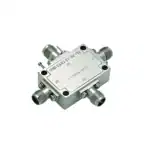 RF Switches
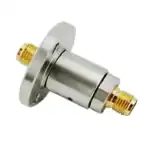 Rotary Joints
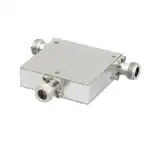 RF Circulators
 Coaxial RF Power Dividers
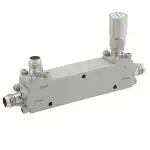 RF Couplers
 RF Filters
Introduction
A sma to ssmc adapter looks small, but on a test bench it can save you from a lot of unnecessary rework. If you are moving between an SMA instrument port and an SSMC fixture or DUT, the right adapter keeps the setup fast, repeatable, and easy to change. The product page for this line shows a between-series, 50-ohm family with SMA and SSMC gender options, a straight body style, DC to 6 GHz coverage, and five-day shipping. That is the kind of detail that matters when your job is to keep a bench moving, not just to make a connection.
For technical procurement teams and system integrators, the choice is usually not about whether you need a connector. It is about how much time you want to spend fixing interface problems later. A sma female to ssmc plug adapter or another part from the sma to ssmc adapters family is often the cleanest answer when you want a quick interface without rebuilding cables or fixtures. [2]
Why the sma to ssmc adapter matters on a test bench
The interface problem you are really solving
On a bench, a sma rf adapter is not just a metal bridge. It is a way to keep a 50-ohm path intact while you move between connector families. That matters because SSMC is a 50-ohm connector family with a published frequency range of DC to 12.4 GHz, while SMA connectors are 50 ohms and can extend to much higher frequencies in their extended versions. You are not simply joining two ends; you are preserving the electrical path between two interface standards.[1]
The adapter line on this page reflects that reality. It is a cross-series design, supports SMA and SSMC genders on both ends, and is offered in a straight body style with a brass body and gold plating. In practical use, that means you can keep your test setup simple while still matching the mechanical and electrical requirements of the bench.
When a sma female to ssmc plug adapter is the right fit
You should choose a sma female to ssmc plug adapter when the analyzer or cable side is SMA and the fixture or device side is SSMC. Catalog data from suppliers shows that this is a common between-series need, with straight and right-angle forms available in multiple gender combinations. The point is not only compatibility. The point is reducing the time you spend on routing, adapter hunting, and repeated reconnection. [3]
That is why the right adapter is useful for production labs, RF validation benches, and integration teams. If you can drop in one sma to ssmc adapter and keep the setup stable, you save bench time and reduce the chance of introducing a mismatch by accident.
What to check before you buy
Frequency and impedance first
The first thing to check is whether the adapter matches your operating band and impedance. On the page, the adapter family is listed at 50 ohms and DC to 6 GHz, while SSMC connectors are specified as 50 ohms and DC to 12.4 GHz. SMA connectors are also 50 ohms and are designed for reliable high-frequency transmission in extended versions. That makes the adapter suitable for quick bench interfaces where a clean 50-ohm transition is more important than adding another cable assembly. [4]
Mechanical style and mating repeatability
You should also check body style and mating format. The page shows a straight body, no mount method, and brass body material with gold plating. Those details matter because a bench adapter has to survive repeated use without turning into a loose, unreliable connection point. A sma to ssmc adapter with the wrong mechanical style can cost more time than it saves, especially in crowded racks or frequently reconfigured setups.
What a good PO should say
If you are buying for production or test, write the purchase order with the exact gender, body style, frequency range, and any compliance or test-report requirement. The page highlights RoHS and REACH-compliant materials, fast shipping, and full test data, which are exactly the details procurement teams want to lock down before release. That is also how you reduce back-and-forth with suppliers later.
Data comparison for quick selection
Connector family | Keeps the interface between SMA and SSMC clean | Between-series SMA and SSMC gender options | |
Impedance | Protects signal integrity | 50-ohm adapter family | |
Frequency range | Confirms fit for the bench band | DC to 6 GHz on the page; SSMC is DC to 12.4 GHz | |
Mechanical style | Helps with crowded test setups | Straight body, no mount, gold-plated brass | |
Delivery and support | Keeps projects moving | Five-day shipout and technical support |
A simple bench scenario
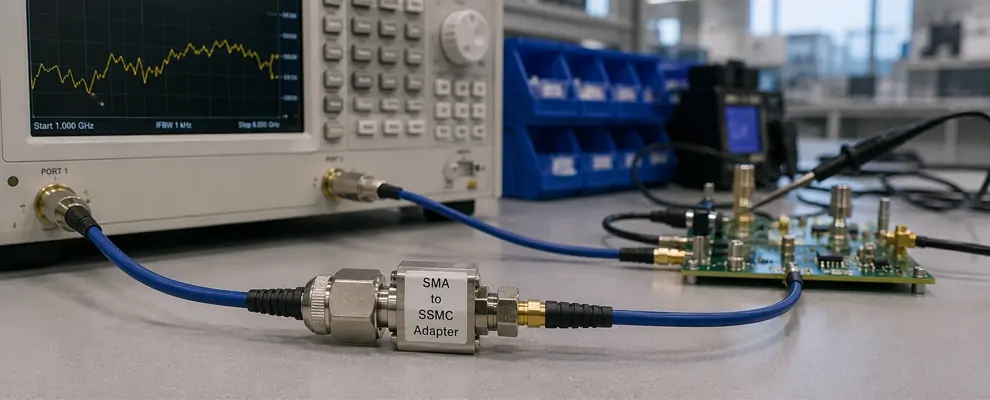
Imagine your analyzer side is SMA and your fixture side is SSMC. If you solve that with improvised cabling, you add clutter, more points of failure, and more time spent verifying the setup. A sma to ssmc adapter gives you a faster path: the interface stays simple, the 50-ohm path stays intact, and the bench can move from setup to measurement faster. That is why the page emphasizes reduced insertion loss, improved EMI resilience, shortened integration cycles, and full test data. Those are practical benefits, not marketing language.
Conclusion
The best sma to ssmc adapter is the one that disappears into the workflow. It should let you move from SMA to SSMC quickly, keep the 50-ohm path stable, and survive repeated mating without becoming a maintenance problem. If your priority is a fast bench interface, a sma female to ssmc plug adapter or another member of the sma to ssmc adapters family is usually a better choice than redesigning cables or fixtures. In real use, the value is simple: less setup friction, less uncertainty, and less time lost to interface problems that should have been solved at procurement.
References
[1] Amphenol RF, SSMC Connectors.
[2] Pasternack, SMA to SSMC Cable Assemblies.
[3] Pasternack, SMA Female to SSMC Plug Adapter.
[4] Amphenol RF, SMA Connectors.
1. Which model should I choose for a SMA to SSMC adapter on a test bench?
Choose a sma to ssmc adapter by gender first, then body style. A straight 50 ohm part is best when you need a clean, quick bench interface.
2. Is a sma female to ssmc plug adapter suitable for frequent lab use?
Yes. A sma female to ssmc plug adapter is practical for repeated setup changes when you need stable mating and low friction on the bench.
3. Can this adapter handle demanding RF and microwave conditions?
Yes, if your system stays within the rated band. The adapter family is built for RF and microwave use, so it fits test, telecom, and aerospace setups.
4. What delivery time should I expect for sma to ssmc adapters?
Most orders can ship fast when the spec is clear. That helps you keep lab schedules, production runs, and urgent replacements on time.
5. What quality documents or compliance data should I request?
Ask for RoHS and REACH status, test data, and any needed compliance records before ordering. That helps you reduce approval delays and sourcing risk.