
 Coaxial Cable Assembly
 Microwave Test Cable
 Coaxial RF Connector
 Coaxial RF Adapter
 Coaxial RF Termination
 Coaxial RF Test Probe
 Coaxial RF Attenuator
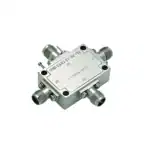 RF Switches
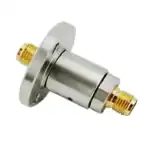 Rotary Joints
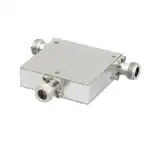 RF Circulators
 Coaxial RF Power Dividers
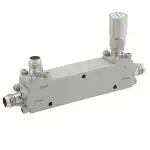 RF Couplers
 RF Filters

Introduction
A sma surface mount connector is an essential RF interconnection component for modern automotive electronics, industrial IoT devices, wireless communication modules, and compact microwave systems. When you design a high-frequency product, the connector is not only a mechanical connection point. It directly influences signal integrity, impedance matching, assembly efficiency, and long-term reliability.
For RF engineers, choosing the right SMA connector early in the design stage can prevent expensive redesigns and reduce validation problems. You need to consider electrical performance, PCB layout limitations, environmental conditions, and manufacturing requirements together. A properly selected SMA solution helps you achieve stable RF performance while improving product reliability in demanding applications.
This article explains how you can select the correct SMA connector for automotive and industrial IoT designs, including SMA PCB connectors, SMA male and female interfaces, bulkhead solutions, and application-specific configurations.
Why SMA Surface Mount Connector Selection Matters in RF System Design
The Growing Challenge of Compact RF Integration
Modern electronic products are becoming smaller while supporting more wireless functions. Automotive communication systems, industrial gateways, and IoT devices often require multiple RF channels inside a limited enclosure space.
This creates several engineering challenges:
- Limited PCB area
- Higher operating frequencies
- Increased signal integrity requirements
- More complex antenna integration
- Greater reliability expectations under vibration and temperature changes
When you select an RF connector, you are also selecting part of the transmission path. Any discontinuity between the PCB trace and connector interface can introduce impedance variation, signal reflection, and additional insertion loss.
Research on microwave connector transitions shows that connector geometry and mounting structure directly affect RF performance, especially when operating at higher frequencies [1].
For this reason, you should treat connector selection as an RF design decision rather than a simple mechanical purchase.
What Is an SMA Surface Mount Connector?
Understanding SMA PCB Connector Technology
An SMA surface-mount connector is a 50-ohm RF connector designed to be installed directly onto a printed circuit board. Unlike traditional cable-mounted connectors, it provides a compact interface between the PCB transmission line and external RF components.
A typical SMA PCB connector is used in:
- Wireless communication modules
- Automotive telematics systems
- Industrial IoT gateways
- GNSS equipment
- RF test platforms
- Antenna interface boards
The main purpose of an SMA surface mount connector is to provide:
- Controlled impedance transition
- Stable RF signal transmission
- Compact PCB integration
- Reliable mechanical attachment
In microwave applications, maintaining a controlled transmission path is critical because impedance changes can increase the reflection coefficient and reduce signal quality.
SMA Male Connector and SMA Female Connector Explained
Understanding connector interfaces helps you avoid compatibility issues during system integration.
A sma male connector normally includes:
- External thread
- Center pin contact
- Plug-style connection structure
A sma female connector normally includes:
- Internal thread
- Socket contact
- Jack-style mounting structure
The correct interface depends on your cable assembly, PCB design, and equipment connection requirements.
| Connector Type | Main Function | Typical Application |
| sma male connector | Cable or adapter connection | RF cable assemblies |
| sma female connector | Equipment or PCB interface | RF modules |
| sma plug connector | Cable termination | Antenna cables |
| sma connector jack | Board-side connection | PCB RF circuits |
Selecting the correct mating structure reduces installation errors and improves long-term connection stability.
SMA Connector Types for Automotive and Industrial IoT Applications
Choosing the Right SMA Connector Types for Your Design
Different applications require different mechanical structures. Understanding sma connector types helps you select the correct solution according to your product environment.
Common SMA solutions include:
- SMA surface mount connector
- SMA bulkhead connector
- SMA panel mount connector
- Right-angle SMA connector
- SMA cable connector
Each design provides different advantages.
| Connector Type | Main Advantage | Recommended Application |
| sma surface mount connector | Small footprint and PCB integration | Compact wireless modules |
| sma bulkhead connector | Strong mechanical mounting | Industrial equipment |
| sma panel mount connector | Easy external access | Control systems |
| right angle sma connector | Space-saving cable routing | Compact enclosures |
| sma coax connector | Reliable RF cable connection | Testing and communication systems |
You should select the connector based on the complete system requirement, not only the connector size.
SMA Surface Mount Connector Applications in Automotive Systems
Supporting Automotive Wireless Communication
Automotive electronics increasingly rely on wireless connectivity for:
- Vehicle communication
- Navigation systems
- Remote monitoring
- Sensor networks
- Connected vehicle functions
A compact sma surface mount connector helps engineers integrate RF interfaces without increasing PCB size.
A typical automotive RF design challenge includes:
- High vibration environment
- Limited installation space
- Long product lifetime requirements
- Stable wireless performance
Automotive electronic reliability studies show that vibration, temperature cycling, and mechanical stress are important factors affecting electronic component lifetime [2].
For this reason, you should evaluate not only RF specifications but also mechanical durability when selecting SMA connectors.
SMA Surface Mount Connector Applications in Industrial IoT
Reliable RF Connections for Industrial Environments
Industrial IoT devices often operate in environments where maintenance access is limited.
Typical applications include:
- Factory monitoring systems
- Wireless sensors
- Industrial gateways
- Remote control equipment
In these systems, connector failure can interrupt communication and increase maintenance costs.
A suitable sma bulkhead connector or sma panel mount connector can provide:
- Strong enclosure mounting
- Easy antenna replacement
- Better mechanical protection
- Reliable external RF connection
IoT systems require reliable wireless hardware because connected devices must maintain communication over long deployment periods [3].
SMA Connector Performance Comparison
Before selecting an SMA solution, you should compare electrical and mechanical requirements.
| Performance Factor | SMA Surface Mount Connector | Traditional Cable-Mounted SMA Connector |
| PCB Integration | Excellent | Limited |
| Space Efficiency | High | Medium |
| Assembly Automation | Suitable for SMT production | Requires cable assembly |
| Mechanical Flexibility | Depends on PCB design | High |
| Maintenance Access | Medium | High |
| Application Focus | Compact RF devices | External RF connections |
For compact automotive and IoT designs, a surface-mount solution usually provides better space utilization. For systems requiring frequent external connection changes, cable or bulkhead solutions may be more suitable.
How to Select the Right SMA Connector for Your RF Project
Evaluate Electrical Performance Before Purchase
When you select an SMA connector for an automotive or industrial IoT application, electrical specifications should be reviewed before mechanical installation.
The most important parameters include:
- Frequency range
- Impedance
- VSWR
- Insertion loss
- Return loss
- Power handling capability
A connector that fits mechanically may still create RF performance problems if its electrical characteristics do not match your system.
For example, a 50-ohm RF system requires a 50-ohm SMA interface to maintain impedance consistency. Poor matching between PCB traces, connectors, and cables can increase signal reflection and reduce transmission efficiency.
Microwave measurement studies demonstrate that connector performance should be evaluated through parameters such as return loss, VSWR, and repeatability to ensure reliable high-frequency operation.
Consider Mechanical Structure and Installation Requirements
Electrical performance alone is not enough. You also need to consider how the connector will be installed and maintained.
Different products require different SMA structures:
| Design Requirement | Recommended Connector Solution |
| Limited PCB space | sma surface mount connector |
| External antenna connection | sma bulkhead connector |
| Panel installation | sma panel mount connector |
| Compact enclosure routing | right angle sma connector |
| RF cable connection | sma coax connector |
For example, an industrial gateway installed inside a factory may require an SMA bulkhead connector because the antenna connection needs to withstand repeated maintenance and mechanical movement.
A compact wireless sensor may instead require a surface-mount design because PCB space is the primary limitation.
Engineering Case Studies: SMA Connector Solutions for Real Applications
Case Study 1: Automotive Communication Module Space Optimization
An automotive electronics manufacturer developed a compact communication module integrating multiple wireless functions.
The engineering challenges included:
- Limited PCB area
- Multiple RF interfaces
- Strict reliability requirements
- Long service life expectations
The original design used a larger RF connection structure, which increased PCB routing difficulty.
The engineering team selected an sma surface mount connector with a compact footprint.
Design Improvement Comparison
| Item | Previous Design | After SMA Surface Mount Integration |
| PCB occupation | Higher | Reduced |
| RF routing complexity | More difficult | Simplified |
| Assembly process | More manual work | SMT-compatible |
| Product size | Larger | More compact |
The improvement allowed engineers to optimize the PCB layout while maintaining stable RF performance.
Automotive electronic systems must withstand vibration and thermal stress throughout their operating lifetime. Reliability research highlights that environmental stress is a major factor affecting electronic component durability.
Case Study 2: Industrial IoT Gateway Antenna Connection Improvement
An industrial automation company required a wireless gateway capable of operating continuously in a factory environment.
The main problems were:
- Frequent antenna replacement
- Mechanical vibration
- Difficult maintenance access
- Communication interruptions caused by unstable connections
The solution was an external RF interface using an sma bulkhead connector.
The result:
| Requirement | Improvement |
| Antenna replacement | Faster maintenance |
| Mechanical stability | Stronger mounting |
| RF connection reliability | Improved consistency |
| Field maintenance | Reduced downtime |
For industrial equipment, connector selection directly affects system availability because communication failures can interrupt monitoring and control functions.
Case Study 3: Compact IoT Sensor Design
A wireless sensor manufacturer needed to reduce product size while maintaining reliable antenna performance.
The design requirements were:
- Small enclosure
- Multiple wireless functions
- Stable RF connection
- Simple production assembly
The selected configuration included:
- SMA PCB connector
- Right-angle SMA connector
- Compact RF routing structure
The final design achieved:
- Reduced enclosure size
- Simplified PCB layout
- Easier manufacturing process
For high-frequency designs, reducing unnecessary RF transitions helps maintain signal integrity. Research on microwave interconnect structures confirms that connector transitions and transmission path geometry strongly influence RF performance.
SMA Connector Selection Checklist for Engineers
Step 1: Confirm Your RF Requirements
Before purchasing, you should confirm:
Electrical Parameters
| Parameter | Recommended Evaluation |
| Impedance | 50 ohm system matching |
| Frequency | Higher than operating frequency requirement |
| VSWR | Lower value indicates better matching |
| Insertion Loss | Lower loss improves efficiency |
| Power Rating | Match transmitter requirements |
A connector designed for low-frequency communication may not provide sufficient performance for microwave applications.
Step 2: Match the Connector Type to the Application
Different industries require different connector structures.
Automotive Applications
Recommended:
- sma surface mount connector
- right-angle SMA connector
- sma pcb connector
Advantages:
- Compact installation
- Reduced PCB space
- Suitable for automated production
Industrial IoT Applications
Recommended:
- sma bulkhead connector
- sma panel mount connector
- sma aerial connector
Advantages:
- Strong mechanical mounting
- Easy antenna replacement
- Better environmental adaptability
RF Testing Applications
Recommended:
- sma rf connector
- sma coax connector
Advantages:
- Reliable measurement connection
- Repeatable mating performance
- Suitable for laboratory environments
Common Mistakes When Selecting SMA Connectors
Choosing Only Based on Connector Size
A smaller connector does not always mean a better solution.
You should also evaluate:
- Frequency capability
- Mechanical strength
- Installation method
- Long-term reliability
A connector that saves PCB space but creates signal problems may increase development costs later.
Ignoring Cable and Connector Matching
The connector, PCB trace, and cable must work as one RF transmission system.
Common problems include:
- Different impedance values
- Poor mating compatibility
- Increased signal loss
- Unexpected test failures
A complete RF connection design should consider:
- Connector type
- Cable specification
- PCB layout
- Operating environment
Future Trends of SMA Connector Technology in IoT and Automotive Electronics
Smaller Devices Require Better RF Integration
As wireless devices become smaller, engineers need connectors that provide:
- Reduced footprint
- Higher frequency capability
- Better reliability
- Easier manufacturing
Automotive and industrial IoT systems will continue increasing wireless connectivity requirements.
A properly selected sma connector type solution helps engineers balance size, performance, and reliability.
Conclusion
Selecting the correct sma surface mount connector is an important decision for automotive electronics, industrial IoT systems, and RF communication equipment.
The best connector choice depends on more than interface compatibility. You need to consider:
- RF performance
- Mechanical design
- Installation environment
- Manufacturing requirements
- Long-term reliability
For compact PCB applications, an SMA PCB connector provides excellent space efficiency. For external connections, an sma bulkhead connector or sma panel mount connector may provide better mechanical performance.
Whether you need an sma male connector, sma female connector, sma plug connector, right-angle SMA connector, or customized SMA solution, selecting the correct structure at the beginning of your design process can reduce development risk and improve product reliability.
A reliable RF connection is not just a component choice. It is part of the complete system design strategy.
References
FAQ
Q 1: How do I choose the correct SMA surface mount connector for an automotive RF module?
You should evaluate frequency range, PCB footprint, vibration resistance, and temperature requirements. A sma surface mount connector is suitable for compact automotive modules requiring reliable 50-ohm RF performance.
Q 2: What is the difference between an SMA male connector and an SMA female connector?
A SMA male connector uses a center pin and external thread, while a SMA female connector uses a socket contact. The correct choice depends on cable and equipment interface requirements.
Q 3: When should I use an SMA bulkhead connector instead of a PCB connector?
Choose an sma bulkhead connector when the RF interface passes through an enclosure or connects to an external antenna. Use PCB versions when space optimization is the priority.
Q 4: Which SMA connector is suitable for industrial IoT equipment?
Industrial IoT systems commonly use an sma panel mount connector, sma aerial connector, or bulkhead solution because these designs provide stronger mechanical installation and easier maintenance.
Q 5: Can SMA connector customization improve product integration?
Yes. Customized sma connector types can match PCB dimensions, mounting requirements, and cable structures. This reduces redesign risk and improves production consistency.