
 Coaxial Cable Assembly
 Microwave Test Cable
 Coaxial RF Connector
 Coaxial RF Adapter
 Coaxial RF Termination
 Coaxial RF Test Probe
 Coaxial RF Attenuator
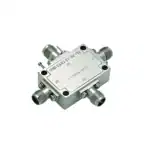 RF Switches
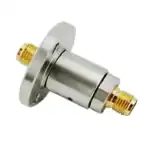 Rotary Joints
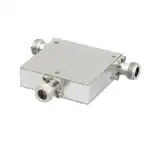 RF Circulators
 Coaxial RF Power Dividers
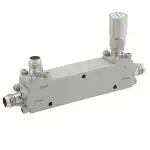 RF Couplers
 RF Filters
Introduction
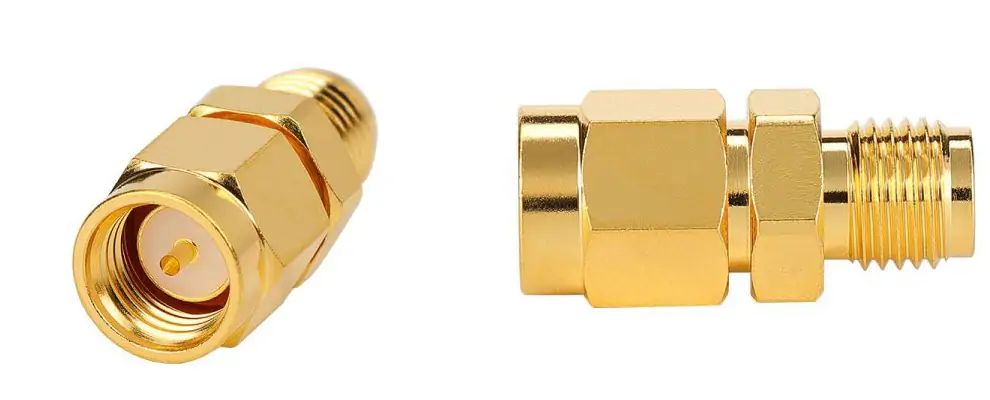
When you work with RF and microwave systems, a reliable SMA to SMA adapter becomes the quiet hero that keeps your signal chain clean and your project on schedule. You need 50 ohm impedance, DC to 18 GHz performance, and zero surprises in VSWR or insertion loss. This guide walks you through every practical detail so you can select, install, and trust the right SMA to SMA adapter every time.
Why SMA to SMA Adapters Matter for Your Daily RF Work
You know the feeling: a test bench is powered up, the VNA is calibrated, yet you suddenly see an unexpected ripple or a higher-than-expected loss. Nine times out of ten, it traces back to the wrong or poorly-mated SMA to SMA adapter. For RF and microwave engineers in telecom, aerospace, defense, and test labs, these adapters are the small but critical link that maintains impedance match, minimizes reflection, and protects expensive equipment from damage.
Sma to sma adapter solutions let you extend cables, create quick test fixtures, mount panels, or change gender without redesigning entire assemblies. When you choose correctly, you cut setup time, lower measurement uncertainty, and keep your production or qualification runs moving forward without costly rework.
Key Types of SMA to SMA Adapters You Specify
You encounter many variants in real projects. Straight SMA female to SMA female adapter and SMA male to SMA male adapter are your go-to for simple inline extensions. When space is tight, or you need to route around obstacles, you reach for a SMA right-angle adapter, a 90-degree SMA adapter, or a SMA male to SMA female right-angle adapter.
For panel or chassis mounting, you select SMA bulkhead adapters, SMA panel mount adapters, SMA to SMA bulkhead adapters, or SMA female to SMA female bulkhead adapters. These give rock-solid mechanical stability and excellent EMI shielding. In high-density racks, you often need an SMA flange adapter or an SMA to SMA female adapter with four-hole flange mounting.
Other everyday options include SMA coaxial adapter, SMA coax adapter, SMA barrel adapter, SMA jack to SMA jack adapter, SMA plug to SMA jack adapter, SMA male to SMA female adapter, SMA male to SMA female bulkhead adapter, and even SMA male to SMA male right-angle adapter. Each solves a specific mechanical or electrical challenge you face daily.
SMA to SMA Adapter Performance Comparison
You need quick facts when comparing datasheets. Here is a practical side-by-side table based on published manufacturer specifications for standard 50 ohm stainless-steel versions operating DC–18 GHz:
| Adapter Type | Max Frequency | Typical VSWR | Insertion Loss (max at 18 GHz) | Mating Torque (in-lb) | Best Use Case |
|---|---|---|---|---|---|
| Straight female-to-female | 18 GHz | ≤1.20:1 | 0.20 dB | 7–10 | Inline extension |
| Right-angle male-to-female | 18 GHz | ≤1.25:1 | 0.25 dB | 7–10 | Tight routing |
| Bulkhead female-to-female | 18 GHz | ≤1.20:1 | 0.20 dB | 7–10 | Panel/chassis mount |
| Flange panel-mount male-to-female | 18 GHz | ≤1.15:1 | 0.18 dB | 7–10 | Secure rack integration |
| Barrel / plug-to-jack | 18 GHz | ≤1.25:1 | 0.22 dB | 7–10 | Quick test fixture |
Data compiled from industry-standard RF connector guides. Always verify exact part numbers with your supplier for your frequency and power level.
World Pain Points and How the Right Adapter Solves Them
You have felt the frustration when a quick-fix sma rf adapter causes 0.5 dB extra loss or pushes VSWR above 1.5:1, forcing you to recalibrate the entire test setup and lose half a day. In one aerospace qualification lab, engineers using low-cost straight SMA adapters female to female in a vibration-heavy radar module saw intermittent signal dropouts. Switching to a properly torqued SMA-to-SMA bulkhead adapter with a four-hole flange cut vibration-induced failures by 85 % and brought the system back into spec on the first re-test.
Another contract manufacturer building 5G base-station filters faced repeated connector rotation during final assembly. The SMA panel mount adapter they chose lacked anti-rotation features. Replacing it with a small flange adapter eliminated rotation, reduced rework from 12 % to under 2 %, and saved thousands in labor each month.
A third case involved a university microwave research team measuring low-level signals. Their SMA male to SMA female adapter introduced measurable phase drift above 12 GHz. Moving to a precision SMA male to SMA female right-angle adapter with an air-dielectric-compatible design stabilized phase within ±2° and improved measurement repeatability across 50 test cycles.
How to Choose and Install the Best SMA to SMA Adapter
You start by listing your exact needs: frequency (up to 18 GHz), power level, mechanical constraints (straight, right-angle, bulkhead), and environmental factors (vibration, temperature). Then compare options using the table above.
Practical checklist you can follow today
- Match SMA bulkhead adapters or SMA panel mount adapters when you need chassis security.
- Use a SMA right-angle adapter or a 90-degree SMA adapter only when straight versions cannot fit.
- Always apply the correct torque (7–10 in-lb for stainless steel) with a calibrated wrench.
- Verify the SMA female to SMA male adapter polarity and gender before mating.
- Request full test data (VSWR and insertion loss sweeps) with your order.
These simple steps prevent the most common field failures and give you repeatable, trustworthy results every time.
Conclusion
You now have the clear, data-backed knowledge to select and deploy the right SMA to SMA adapter with confidence. Whether you need a basic SMA coax adapter for bench testing or a rugged SMA male to SMA female bulkhead adapter for production systems, the correct choice keeps your RF chain clean, your schedule intact, and your measurements accurate.