
 Coaxial Cable Assembly
 Microwave Test Cable
 Coaxial RF Connector
 Coaxial RF Adapter
 Coaxial RF Termination
 Coaxial RF Test Probe
 Coaxial RF Attenuator
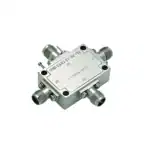 RF Switches
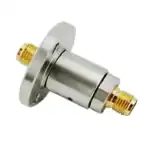 Rotary Joints
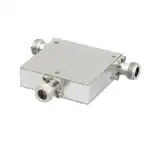 RF Circulators
 Coaxial RF Power Dividers
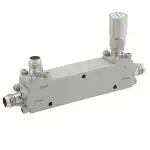 RF Couplers
 RF Filters
Introduction
When you design or specify components for OEM panels, the electromechanical relay switch delivers unmatched reliability in high-frequency signal routing compared to solid-state relays (SSRs). You know the stakes: one poor choice can lead to signal loss, downtime, or costly redesigns in RF systems. This article walks you through the real differences, why the electromechanical relay switch often wins for your panels, and how to pick the best option with confidence. Built from hands-on experience with RF coaxial relays and high-frequency relay switch deployments, it focuses on practical outcomes for technical procurement professionals and system integrators like you.The electromechanical relay switch remains a trusted workhorse because it provides true mechanical isolation—something SSR simply cannot match in RF environments. You have likely felt the frustration of panels that overheat or lose isolation at GHz frequencies. Here, we cut through the noise and give you clear, actionable insights.
Why the Electromechanical Relay Switch Matters for Your OEM Panels
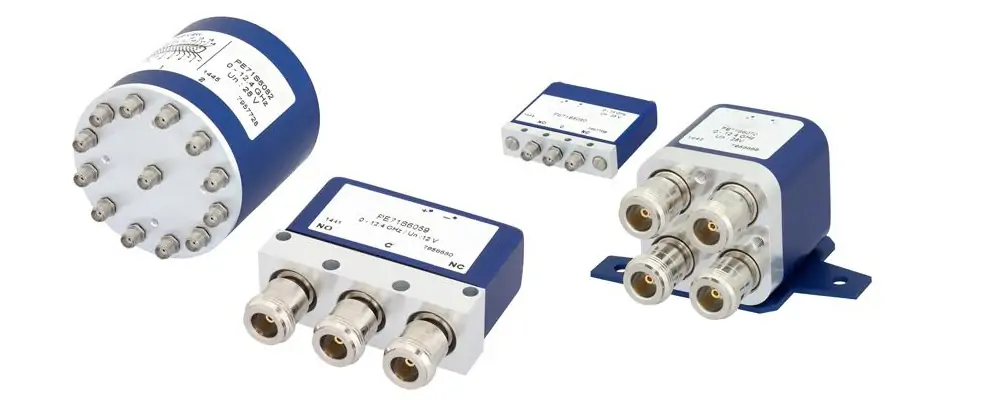
As a system integrator or procurement expert, you deal with tight deadlines and even tighter budgets. You need components that last, perform under real-world stress, and keep your RF paths clean. The electromechanical relay switch excels here because it uses physical contacts to route signals with minimal insertion loss and maximum isolation—critical for RF electromechanical relay switches operating from DC up to 18 GHz.
You might worry about the audible click or mechanical wear, but modern designs deliver millions of reliable cycles while consuming almost zero power in latching versions. In contrast, SSR can introduce parasitic capacitance and heat that ruin high-frequency performance inside enclosed OEM panels. Choosing correctly saves you rework, reduces field failures, and protects your reputation with end customers.
Core Differences: Electromechanical Relay Switch vs SSR in Real Applications
Let’s compare them directly so you can see why the electromechanical relay switch often becomes your go-to for RF work.
Switching Mechanism and Signal Integrity
The electromechanical relay switch physically moves contacts to connect or isolate paths. This gives you excellent VSWR, low insertion loss (typically under 0.5 dB at 12 GHz), and isolation better than 60 dB—exactly what you need for RF coaxial relays in test systems or communication panels. SSR relies on semiconductors with no moving parts, which works great for low-frequency power control but struggles at high frequencies where leakage and distortion appear. As explained in the Wikipedia article on electromechanical relays and their advantages in signal routing [1], this mechanical action ensures true isolation that SSR cannot replicate.
You will notice the difference immediately in your lab: electromechanical relay radio frequency switch solutions maintain clean signal paths where SSR would require extra filtering or shielding; you don’t want to add to your bill of materials.
Reliability and Lifetime in OEM Environments
Electromechanical relay switches routinely achieve 1 to 2 million mechanical operations in standard configurations—plenty for most automated instrumentation and multichannel test setups. SSR can claim higher cycle counts in theory, but real-world RF use exposes their limitations in vibration, temperature swings, and electromagnetic interference common inside OEM panels.[4]
You avoid premature failures and expensive warranty claims when you select the right RF electromechanical switch for your vibration-prone or high-reliability panels.
Power Consumption and Heat Management
Latching electromechanical relay switches draw current only during the switch event—ideal for power-sensitive OEM panels. SSR stays energized and generates heat that forces you to add cooling or derate your design. As detailed in the Purdue University paper on miniaturizing mechanical relays versus solid-state devices [3], SSRs produce more consistent heat under load, raising panel temperatures and shortening nearby component life.
Real-World Pain Points You Face—and How the Electromechanical Relay Switch Solves Them
You have probably encountered these exact headaches:
- Signal degradation at high frequencies leads to failed compliance tests.
- Excessive heat buildup is forcing the use of larger enclosures or fans.
- Short component lifetime, causing frequent maintenance in fielded systems
- Higher total cost of ownership from redesigns or replacements
The electromechanical relay switch directly addresses each one. Its mechanical action ensures repeatable performance for SPDT RF relay and SPDT electromechanical switch topologies. You get the isolation your RF paths demand without the thermal or leakage issues SSR introduces.
Case Study 1: 5G Test System OEM Panel
A system integrator building automated test equipment for 5G base stations needed SP6T electromechanical relay switches to route signals across DC to 12.4 GHz. SSR options failed isolation requirements above 6 GHz, forcing extra amplifiers and filters that added 18% to panel cost. Switching to high-frequency relay switch electromechanical models cut insertion loss by 40%, eliminated extra components, and reduced test cycle time by 25%. The panel now ships with proven reliability and lower BOM cost.
Case Study 2: Aviation Instrumentation Panel
An OEM supplying avionics panels required RF electromechanical relay switches rated for harsh vibration and temperature extremes. Electromechanical designs with N-type connectors and latching drive handled 170 W CW power while maintaining >70 dB isolation. SSR alternatives overheated in the sealed enclosure and could not guarantee the required bandwidth. The final panel passed DO-160 qualification on the first try, saving months of requalification time and earning repeat orders.
Case Study 3: Multichannel RF Matrix for Research Lab
A university lab integrated an electromechanical switch matrix using SPDT electromechanical switch modules. The system performed 50,000 daily cycles for two years with zero failures. An earlier SSR-based attempt required monthly recalibration due to drift. The electromechanical solution delivered repeatable results that the researchers trusted, proving the technology’s long-term stability in continuous-use OEM panels. Guidance from the National Instruments guide on choosing the right relay for instrumentation systems [2] confirms why electromechanical options excel in these repeatable RF matrix applications.
How to Choose the Right Electromechanical Relay Switch for Your Project
You want a repeatable process that fits your procurement workflow. Follow these steps:
- Define frequency and power needs. For anything above 1 GHz, prioritize electromechanical relay switch models with proven bandwidth up to 18 GHz and appropriate connectors (SMA, N, or 2.92 mm).
- Calculate required cycle life and topology. SP6T or transfer switches work best for multichannel routing; latching versions save power in battery or remote OEM panels.
- Assess environment. Check operating temperature, vibration, and shock—electromechanical relay supplier options with sealed designs that handle industrial and aerospace conditions better than you might expect.
- Compare total cost. Factor in lower heat, simpler cooling, and longer field life. Many RF switch manufacturers now offer 5-day lead times on standard electromechanical models, beating SSR custom builds.
- Verify compatibility. Confirm 50- or 75-ohm impedance and RoHS/REACH compliance to keep your supply chain smooth.
Following this checklist helps you avoid over-specifying expensive SSRs where an electromechanical relay switch delivers better performance at lower lifetime cost. For high-frequency RF performance details, see the University of Michigan research on electromechanical considerations for low-voltage RF MEMS switches [5].
Practical Tips for System Integrators Working with RF Electromechanical Relay Switches
You can future-proof your OEM panels by standardizing on proven electromechanical relay radio frequency switch families. Look for positive common or TTL drive options that integrate easily with your existing controllers. Many designs support unterminated or internally terminated paths—choose based on your measurement accuracy needs. When you partner with experienced RF switch manufacturers, you gain access to custom matrix configurations that drop straight into your panel without extra engineering time.
Remember: the mechanical “click” you hear is not a weakness—it is your guarantee of true isolation that SSR cannot replicate in high-frequency applications.
Conclusion
You now have clear evidence why the electromechanical relay switch outperforms SSR in most RF and high-frequency OEM panel applications. It solves your real pain points around signal integrity, heat, reliability, and total cost. Whether you route RF coaxial relays in test systems, build aviation-grade instrumentation, or create research-grade matrices, this technology gives you repeatable results you can trust.
Take the next step: evaluate your current panel requirements against the checklist above. You will likely find that specifying the right electromechanical relay switch—or SPDT RF relay variants—delivers better performance, lower risk, and stronger margins. Your customers will thank you for the rock-solid systems you deliver, and your procurement team will appreciate the predictable supply and cost savings.