
 Coaxial Cable Assembly
 Microwave Test Cable
 Coaxial RF Connector
 Coaxial RF Adapter
 Coaxial RF Termination
 Coaxial RF Test Probe
 Coaxial RF Attenuator
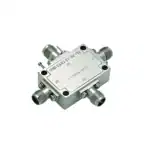 RF Switches
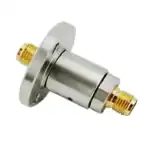 Rotary Joints
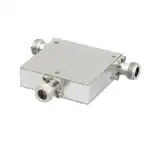 RF Circulators
 Coaxial RF Power Dividers
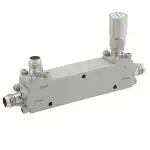 RF Couplers
 RF Filters
Introduction
What Makes Fakra Cable Assembly Stand Out?
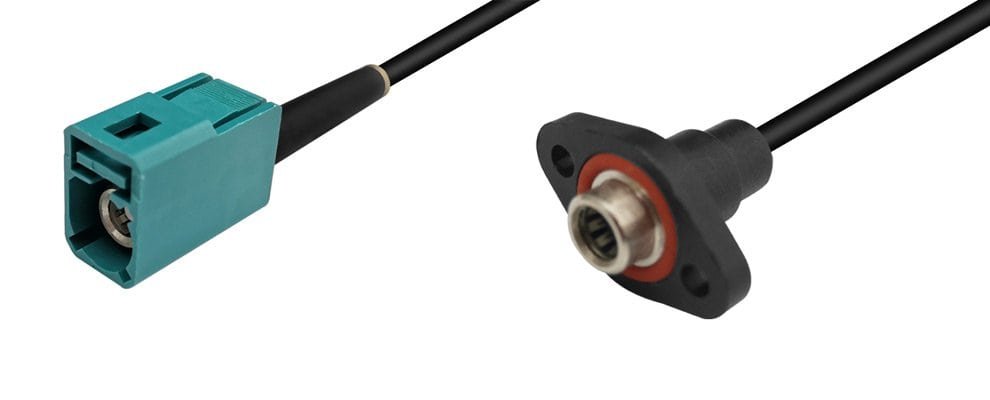
The Fakra cable assembly is a specialized RF connector tailored for automotive needs. Built on the SMB connector design, it includes a plastic housing with unique features:
- Color Coding: Each Fakra connector type has a distinct color, reducing connection errors.
- Mechanical Locking: Ensures a firm, vibration-resistant fit—crucial for vehicles.
- High-Frequency Support: Handles signals up to 3GHz, ideal for GPS and wireless systems.
These traits make Fakra cables a top choice for automotive engineers seeking reliability and precision.
Understanding Standard Coax Connectors
Fakra Cable Assembly vs Standard Coax Connector: A Side-by-Side Comparison
| Aspect | Fakra Cable Assembly | Standard Coax Connector |
|---|---|---|
| Primary Environment | Automotive and mobility systems | General RF and video systems |
| Typical Applications | GPS, antennas, cameras, infotainment, ADAS | Test benches, broadcast gear, wireless modules, instruments |
| Connector Design | Color coded and mechanically keyed | Usually non-keyed or less application-specific |
| Mismating Protection | High, built to prevent wrong connections | Lower, depends on installer accuracy |
| Vibration Resistance | Strong, suited for vehicle movement | Varies by connector style and build |
| Environmental Protection | Often designed for harsh automotive conditions | Depends on sealing and housing type |
| Signal Stability | Stable in standardized vehicle networks | Strong for broad RF use, but less specialized |
| Installation Speed | Fast in harness-based automotive assembly | Flexible, but may require more verification |
| Compliance Focus | Automotive integration and reliability needs | Broader RF compatibility and general use |
| Cost Position | More specialized, higher system fit value | Often simpler and more universal |
| Best Choice When | You need secure, error-resistant vehicle RF links | You need general-purpose RF connectivity |
Where Fakra Connectors Excel in Automotive Applications
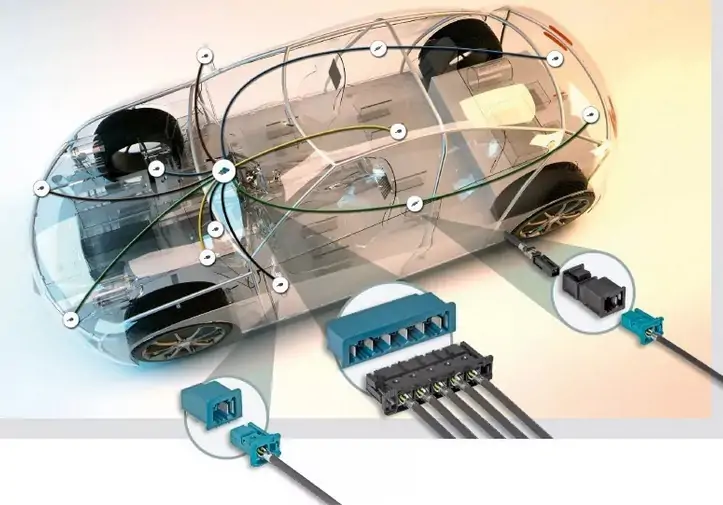
Fakra connectors are key in modern vehicles, supporting:
- Antenna Systems: Reliable AM/FM, satellite, and GPS signal transmission.
- Navigation: Clear signals for real-time location tracking.
- Safety Features: Stable connections for backup cameras and sensors.
Their durability and design make them indispensable for automotive innovation.
Real-World Example: Fakra Cable Assembly in Action
A mid-sized automaker recently upgraded its SUV line with Fakra cable assemblies for infotainment and safety systems.By integrating Fakra connectors into GPS, cellular modules, and rear cameras, they reduced installation errors and improved signal reliability across the system.The color-coded Fakra connector types also reduced assembly time, saving costs and enhancing quality—proof of their value in real-world automotive settings.
Selection Guide for fakra rf cable assemblies and standard fakra connector
When fakra rf cable assemblies are the better fit
When a standard fakra connector is enough
What you should compare before you buy
| Selection Factor | fakra rf cable assemblies | standard fakra connector |
|---|---|---|
| Main use | Automotive harnesses, GPS, cameras, infotainment | General RF routing and sub-systems |
| Keying | Color coded and mechanically keyed | Usually less application-specific |
| Mismating protection | High | Lower |
| Vibration resistance | Strong | Depends on design |
| Installation flow | Fast in standardized harness builds | More flexible, less locked |
| Best fit | Vehicle RF links that need error-proof mating | General RF use where flexibility matters more |