
 Coaxial Cable Assembly
 Microwave Test Cable
 Coaxial RF Connector
 Coaxial RF Adapter
 Coaxial RF Termination
 Coaxial RF Test Probe
 Coaxial RF Attenuator
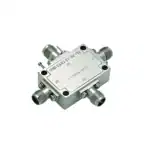 RF Switches
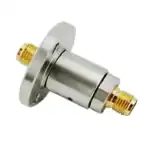 Rotary Joints
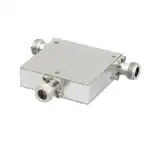 RF Circulators
 Coaxial RF Power Dividers
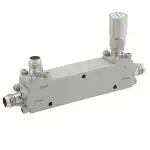 RF Couplers
 RF Filters
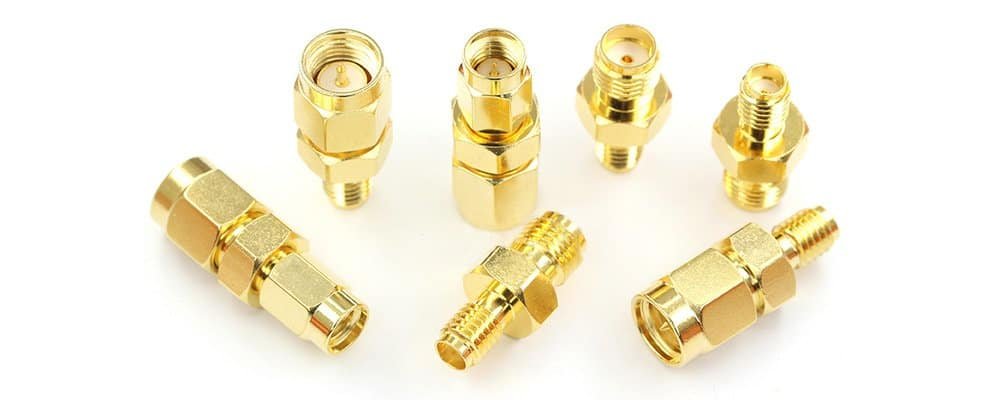
In the fast-paced world of radio frequency (RF) technology, choosing the right connector is critical for performance. SMA and SSMA connectors are two widely used options, each with unique features. While they share some traits, the differences between them matter. This article explores these differences, focusing on SSMA connectors, to help B2B users make informed decisions for their RF needs.
What Are SMA Connectors?
SMA connectors, short for SubMiniature version A, are coaxial RF connectors introduced in the 1960s. They use a threaded coupling design for secure connections, ideal for frequencies up to 18 GHz. These connectors are popular in industries like telecommunications, microwave systems, and WiFi equipment. With a 50-ohm impedance, SMA connectors offer durability and reliable signal transmission for various applications.
What Are SSMA Connectors?
SSMA connectors, a smaller variant of SMA, are built for higher frequencies and compact spaces. Operating from DC to 35 GHz—and up to 40 GHz in some cases—SSMA connectors shine in advanced RF setups. Their smaller size suits aerospace, defense, and high-frequency testing. Available as SSMA male connectors (with a center pin) and SSMA female connectors (with a receptacle), they maintain a 50-ohm impedance, ensuring top performance.
Comparing SMA and SSMA Connectors
To solve the question of which connector fits your needs, let’s analyze their differences:
Size and Dimensions
SSMA connectors are notably smaller than SMA connectors. The SSMA connector dimensions are optimized for high-frequency use in tight spaces, making them perfect for compact designs. SMA connectors, being larger, suit applications where size isn’t a constraint and robustness is key.
Frequency Range
Frequency capability sets these connectors apart. SMA connectors handle up to 18 GHz, while SSMA RF connectors reach 35 GHz or more. This makes SSMA ideal for cutting-edge, high-frequency projects requiring superior signal integrity.
Applications
SMA connectors thrive in general RF uses like WiFi antennas and hand-held radios. SSMA connectors, however, are tailored for specialized fields—think aerospace systems or precision test equipment—where space and frequency demands are higher.
Coupling Mechanism
Both connectors feature threaded coupling, but the smaller SSMA requires careful handling for proper alignment. SMA’s larger size makes it easier to install in less delicate setups.
SMA connector with cable Vs ssma coaxial connector For Tight RF Builds
| Factor | sma connector with cable | ssma coaxial connector | Practical Takeaway |
|---|---|---|---|
| Space requirement | Easier to handle | Smaller footprint | Use SSMA in compact layouts |
| Frequency range | Up to 18 GHz | 35 GHz or more | Use SSMA for higher frequency targets |
| Assembly handling | More forgiving | Requires more careful alignment | SMA is easier for general use |
| Best fit | Standard RF and microwave links | Tight, high-frequency designs | Match the connector to the layout first |
Solving the Choice: Which Connector Should You Use?
Choosing between SMA and SSMA connectors depends on your project:
- SMA Connectors: Pick these for applications up to 18 GHz where durability matters more than size. They’re cost-effective and widely available for standard RF needs.
- SSMA Connectors: Opt for these when frequencies exceed 18 GHz or space is limited. Their compact SSMA connector dimensions and high-frequency range suit advanced, niche uses.
Evaluate your frequency needs, space constraints, and environment. For tailored advice, reach out to an RF supplier to ensure peak performance and avoid costly mismatches.
Conclusion
FAQ
1.What does SMA stand for connector?
SMA stands for SubMiniature version A, and you use it for compact RF connector connections easily.
yes