
 Coaxial Cable Assembly
 Microwave Test Cable
 Coaxial RF Connector
 Coaxial RF Adapter
 Coaxial RF Termination
 Coaxial RF Test Probe
 Coaxial RF Attenuator
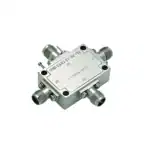 RF Switches
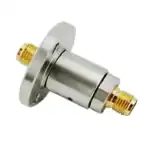 Rotary Joints
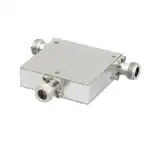 RF Circulators
 Coaxial RF Power Dividers
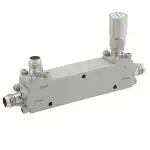 RF Couplers
 RF Filters
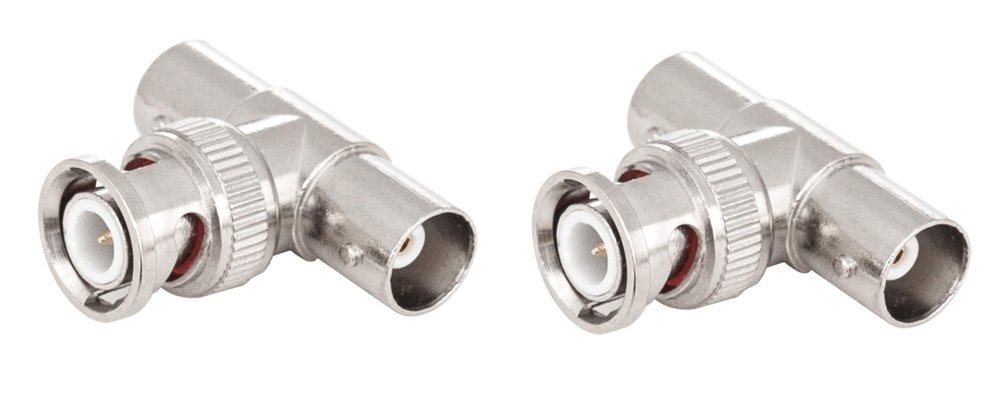
In industries like telecommunications, broadcasting, and security, terms like “BNC” and “coaxial cable” are common, yet often misunderstood. A key tool in navigating these components is the BNC coaxial cable adapter, which ensures seamless connectivity across diverse equipment. This article explores the distinction between a BNC and a coaxial cable by posing the question, analyzing their roles, and resolving the confusion—equipping B2B professionals with clear, actionable insights.
The Problem: Why the Confusion?
Analyzing the Components
What is a Coaxial Cable?
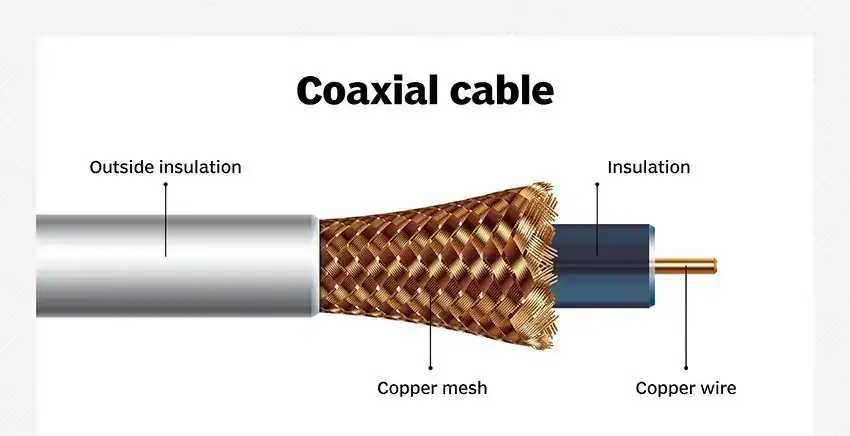
A coaxial cable is an electrical cable designed to carry high-frequency signals with minimal loss. It features:
- Inner Conductor: Carries the signal, often copper.
- Dielectric Layer: Insulates the conductor.
- Shield: Blocks interference, typically braided metal.
- Outer Jacket: Protects the cable.
Used in TV, internet, and RF applications, coaxial cables support various connectors, not just BNC.
What is a BNC Connector?
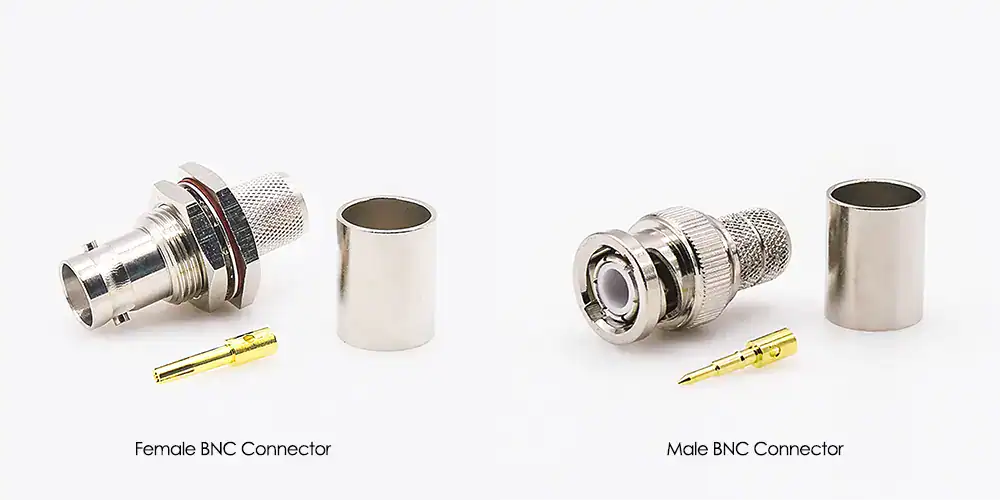
BNC (Bayonet Neill-Concelman) is a connector type, not a cable. A coaxial cable bnc connector attaches to coaxial cables, featuring:
- Bayonet Mount: Locks securely with a twist.
- Impedance: Matches 50 or 75 ohms.
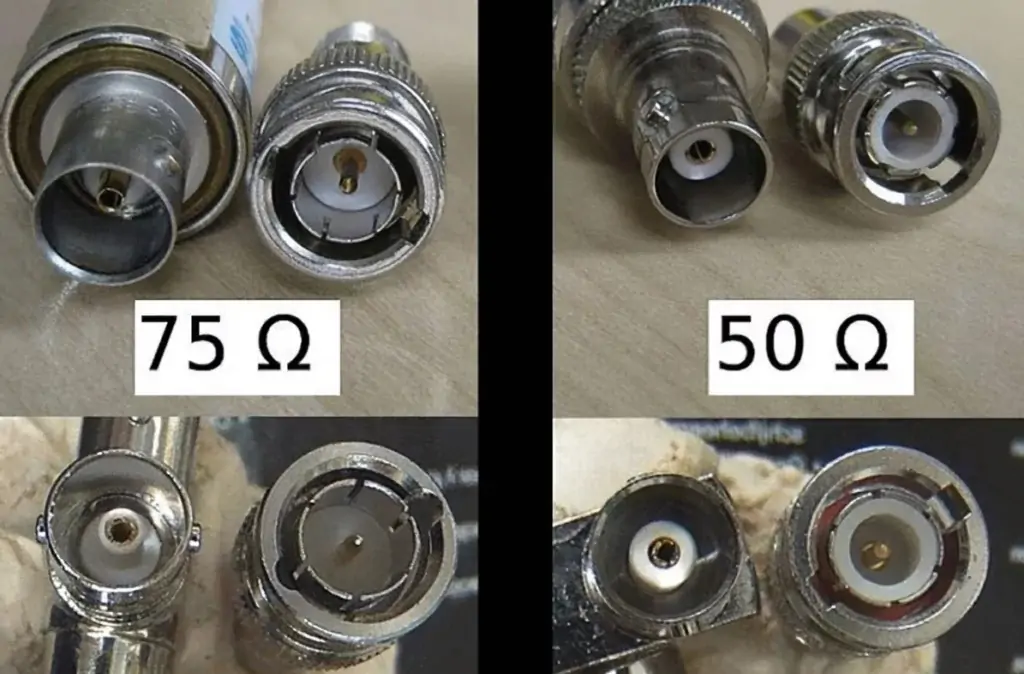
- Uses: Common in video (e.g., CCTV), test gear, and networking.
Unlike the cable, BNC is the interface linking devices.
Key Differences
- Coaxial Cable: The signal-carrying medium.
- BNC: A connector option for coaxial cables, alongside others like F-type or RCA.
Adapters like the coaxial to BNC adapter or coaxial cable to BNC connector are critical when connectors don’t match.
BNC vs. Other Coax Connectors: Which One Fits Your Application?
| Connector Type | Best For | Typical Strengths | Main Limits | Choose It When You Need |
|---|---|---|---|---|
| BNC | Lab gear, test equipment, CCTV, broadcast | Fast twist-lock coupling, easy mating, good for low to mid frequency use | Not ideal for very high frequency or high power | Quick connections, frequent plugging, simple field use |
| SMA | RF modules, antennas, microwave systems | Excellent high-frequency performance, compact size, stable impedance | Smaller body, less rugged than larger connectors | Better performance above basic RF ranges |
| N-Type | Telecom, outdoor RF, base stations | Rugged, weather-resistant, handles higher power well | Larger and heavier than BNC or SMA | Durable outdoor or high-power RF links |
| TNC | RF systems needing threaded security | BNC-like convenience with threaded locking | Less common than SMA or BNC in some setups | Better vibration resistance than standard BNC |
| F-Type | TV, cable, satellite distribution | Low cost, common in video and consumer coax | Not designed for precision RF test work | Home TV or cable signal transmission |
| MCX / MMCX | Compact devices, GPS, IoT, handhelds | Very small footprint, useful in tight spaces | Not as robust for repeated heavy-duty use | Space-saving board or module connections |
| SMB | Board-level RF, compact assemblies | Small, reliable, easy to integrate on PCB-based systems | Less common in general-purpose setups | Small RF systems with limited space |
| Fakra | Automotive RF, GPS, infotainment, telematics | Keyed design prevents mismating, color-coded, automotive-friendly | More specialized than general-purpose coax connectors | Vehicle systems that need secure, standardized connections |
When Should You Use a 50 ohm bnc crimp plug?
Quick selection guide
- Use it for 50 ohm RF or video links
- Choose it when you need a crimp-style termination
- Keep it for bench, broadcast, or test equipment setups
- Match it with the correct coax cable type and impedance
50 Ohm Plug vs Adapter
| Item | 50 ohm bnc crimp plug | BNC adapter |
|---|---|---|
| Main role | Terminates coax cable | Bridges two connector types |
| Best use | Cable assembly build | Quick interface conversion |
| Installation | Crimp to cable | Connect between ports |
| Risk reduced | Loose cable terminations | Mismatched connector ends |
Solving the Confusion: Their Relationship and Adapters
Clearing the Distinction
A coaxial cable transmits signals, while a BNC connector enables device attachment. A “BNC coax cable” is simply a coaxial cable with BNC ends. Understanding this prevents miscommunication in procurement or setup.
Role of Adapters
Adapters ensure compatibility. Consider:
- Coaxial Cable to BNC Adapter: Links a non-BNC coaxial cable to a BNC port.
- BNC Female to Coax Male Adapter: Connects a BNC female port to a male coaxial connector (e.g., F-type).
- BNC Female to Coax Female Adapter: Joins a BNC female port to a female coaxial end.
- Coax to BNC Adapter: Adapts various coaxial connectors to BNC.
A BNC to coaxial cable adapter enables a secure connection between a security camera’s BNC output and an F-type monitor input, effectively converting between connector types while maintaining signal integrity. It provides a reliable, impedance-matched link crucial for professional surveillance installations, ensuring stable video transmission.
Practical Tips
- Match Impedance: Use 50-ohm or 75-ohm adapters as needed.
- Identify Connectors: Check device and cable ends before selecting an adapter like the BNC coaxial cable adapter.
- Application: Video, data, or RF signals dictate adapter choice.
BNC Connector Selection Guide
When a coaxial cable connector is enough
When bnc connector with coaxial cable makes sense
| Selection Factor | coaxial cable connector | bnc connector with coaxial cable | Practical Takeaway |
|---|---|---|---|
| Main role | General cable interconnect | Secure RF interface on coax | Use BNC when the interface matters |
| Installation | Depends on termination style | Twist-lock, faster mating | BNC is better for frequent reconnections |
| Typical fit | General routing | Lab gear, CCTV, broadcast | Match the system to the use case |
| Impedance check | Depends on cable | 50 ohm or 75 ohm | Verify impedance before buying |
Conclusion
Drawing on our range of BNC cable coaxial and bnc connector for coaxial cable products, we deliver clear signals and broad device compatibility across industrial automation, broadcast, and telecommunications. Our precision-engineered BNC cable coaxial assemblies fix common connectivity issues, eliminate ground loops, enhance EMI shielding, and protect signal integrity over long distances. The bnc connector for coaxial cable utilizes a secure bayonet twist-lock for vibration-resistant performance in demanding sites, while maintaining precise 50-ohm or 75-ohm impedance to minimize reflections. These reliable bnc to coax cable solutions effectively bridge legacy system ports with modern RF equipment. We support integration with custom assemblies, on-site termination, documentation, and engineering resources to streamline architecture, reduce installation time, and ensure long-term operational uptime. Available bnc to rf cable types are designed to match specific bandwidth, impedance, and environmental requirements, helping to lower MTTR and total lifecycle costs. They also simplify field diagnostics, reduce spare parts inventory, and prevent intermittent failures in critical data and video links.