
 Coaxial Cable Assembly
 Microwave Test Cable
 Coaxial RF Connector
 Coaxial RF Adapter
 Coaxial RF Termination
 Coaxial RF Test Probe
 Coaxial RF Attenuator
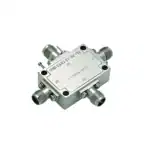 RF Switches
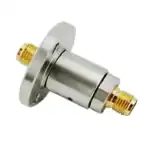 Rotary Joints
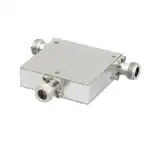 RF Circulators
 Coaxial RF Power Dividers
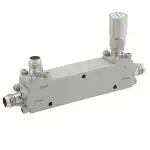 RF Couplers
 RF Filters
Introduction
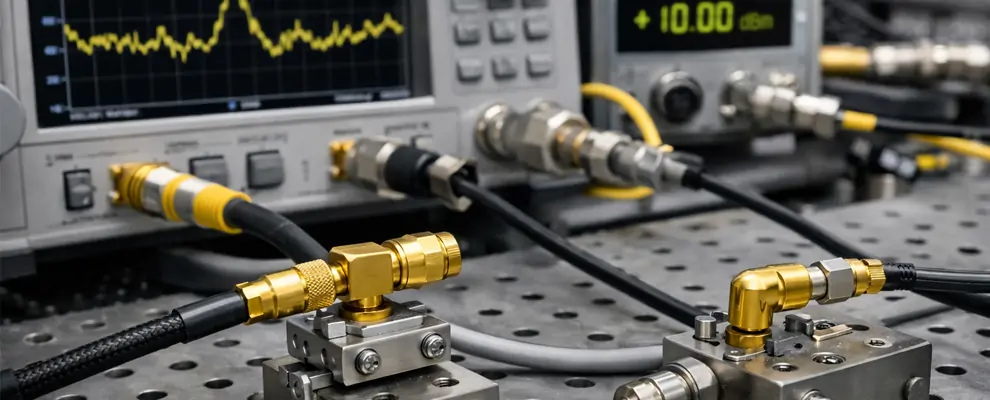
A sma cable assembly is one of those parts you only notice when it starts causing trouble. If you work on avionics or radar links, repeated unplugging, re-routing, and bench testing can wear out a cheap lead faster than you expect. The result is loose ends, drifting return loss, and a setup that becomes harder to trust. For that reason, the right sma cable assembly is not only about frequency. It is about how well the assembly survives frequent switching, keeps loss under control, and still feels solid after repeated use. That is the standard you should hold, especially when you are building a sma coaxial cable assembly for production or lab work.
Why the Last Connector Mile Matters
The last connector mile is where many RF problems begin. A standard SMA family connector is commonly rated to 18 GHz and 500 mating cycles, which gives you a useful baseline if you switch often. A better sma connector cable assembly is not just about the GHz number. It is about how well the interface keeps its shape after repeated handling, temperature cycling, and tight routing.
What usually wears first
In daily use, the first weak points are usually the mating end and the strain relief, not only the jacket. If your sma male cable assembly is going to be touched many times, you should look at plating, contact material, cycle rating, and whether the routing style matches the enclosure. A cheap part may work once. A better low-loss SMA cable assembly keeps the link readable after the tenth or twentieth swap, which is exactly what matters on a radar or avionics bench.
Which Build Fits Which Job
The term SMA RF cable assembly covers a lot of ground, but the right choice depends on how you actually use it. A general SMA RF cable assembly is fine when you need a standard threaded RF link. A rf sma cable assembly becomes the better answer when the goal is clean routing, predictable impedance, and less rework during integration. If you are comparing sma coax cable assembly options for avionics or radar, keep your attention on bend behavior, mating cycle data, and shielding rather than only the headline frequency number. [1]
Variant guide for real-world use
| Variant | Best use | What to check | Data point |
|---|---|---|---|
| sma male cable assembly | General RF links and test racks | Thread feel and cycle rating | SMA connectors are commonly rated to 18 GHz and 500 cycles. |
| right angle sma cable assembly | Tight spaces and rack edges | Routing stress and bend relief | Right-angle SMA assemblies can operate to 27 GHz for tight bends and continual flexure. |
| rp sma cable assembly | Antenna-style keyed connections | Reverse-polarity matching | RP-SMA cable assemblies can support up to 500 mating cycles and reliable performance up to 5 GHz. |
| semi rigid sma cable assemblies | Bench fixtures and fixed routing | Formability and high-isolation layout | Semi-rigid SMA assemblies are intended for bench testing, test fixtures, and high-isolation connections. |
| custom sma cable assemblies | Exact length and orientation needs | Length, labeling, and connector clocking | Custom RF cable assemblies can be built with custom lengths and orientation options. |
If your build needs a sma coaxial cable assembly with tighter routing, or even sma coaxial cable assemblies across several station points, the safest move is to select the version that matches the mechanical reality first. Then choose the cable type and loss budget. That order saves time later, because many RF issues are really routing issues wearing an RF label. [5]
How to Choose One That Survives Frequent Switching
When you keep swapping cables on a radar bench, the assembly should feel consistent every time. That is why you should care about mating cycles, temperature range, and shielding effectiveness, not only the frequency rating. A rugged coax connector platform tested to 10K installation cycles gives you a very different maintenance picture from a bargain assembly that starts loosening after a handful of lab sessions.
A custom sma cable assembly is especially useful when you need the exact length, connector orientation, or label format for a production fixture. That is important in avionics and radar racks, where one extra bend or one wrong connector clocking can create a support problem later.
A semi-rigid SMA cable assembly is usually the cleanest choice when you want repeatable routing and stable bench behavior. It is less forgiving than flexible cable, but it also gives you a more controlled path and better consistency in fixed layouts.
What This Means for You
For avionics radar links, the best sma cable assembly is the one that stays predictable after repeated use, not the one that looks cheapest on paper. If you need a sma connector cable assembly for a rack, a right-angle SMA cable assembly for a tight enclosure, or custom sma cable assemblies for a production fixture, the decision should start with wear, loss, and routing. That is how you reduce the chance that a cheap lead becomes the weakest part of the system.
A rp sma cable assembly is the better option when reverse-polarity keying helps prevent mismating. A low loss sma cable assembly is the better choice when preserving margin matters more than price. And if your setup is fixed and you care more about repeatability than flexibility, semi-rigid SMA cable assemblies usually give you the most stable bench performance.
Conclusion
A good sma cable assembly does not draw attention to itself. It just keeps working after repeated mating, the next cable swap, and the next test cycle. If you are choosing between a sma male cable assembly, a sma coaxial cable assembly, or a sma coax cable assembly for avionics or radar work, favor the version with real cycle data, the right bend behavior, and the right mechanical fit. That is how you get a cable that still feels trustworthy long after the first install.
References
FAQ
1. When should you choose an sma cable assembly for avionics or radar work?
Choose it when you need repeatable mating, stable RF routing, and a lower risk of loose connections during frequent bench testing.
2.What makes a right angle sma cable assembly better for tight enclosures?
Use a right-angle SMA cable assembly when space is tight, and the cable must bend cleanly without stressing the connector or rack edge.
3. When is a semi rigid sma cable assembly the better choice?
Use semi rigid sma cable assemblies when you want fixed routing, stable bench behavior, and higher consistency in test fixtures.
4. Why choose a custom sma cable assembly instead of a standard one?
Choose a custom sma cable assembly when you need exact length, connector orientation, or label format to match your production fixture.
5. How do you reduce wear when switching sma cable assembly connections often?
Check mating cycles, plating, and routing style before buying. A low-loss sma cable assembly with proper strain relief lasts longer in repeated use.